Not your average Lamp
Dune
Project by: Abdul Samansha, Bulzoni Matteo, Gorzanelli Alice
Industrial Product Design - Industrial Design Laboratory T
Alma Mater Studiorum – University of Bologna
A.Y. 2024/2025
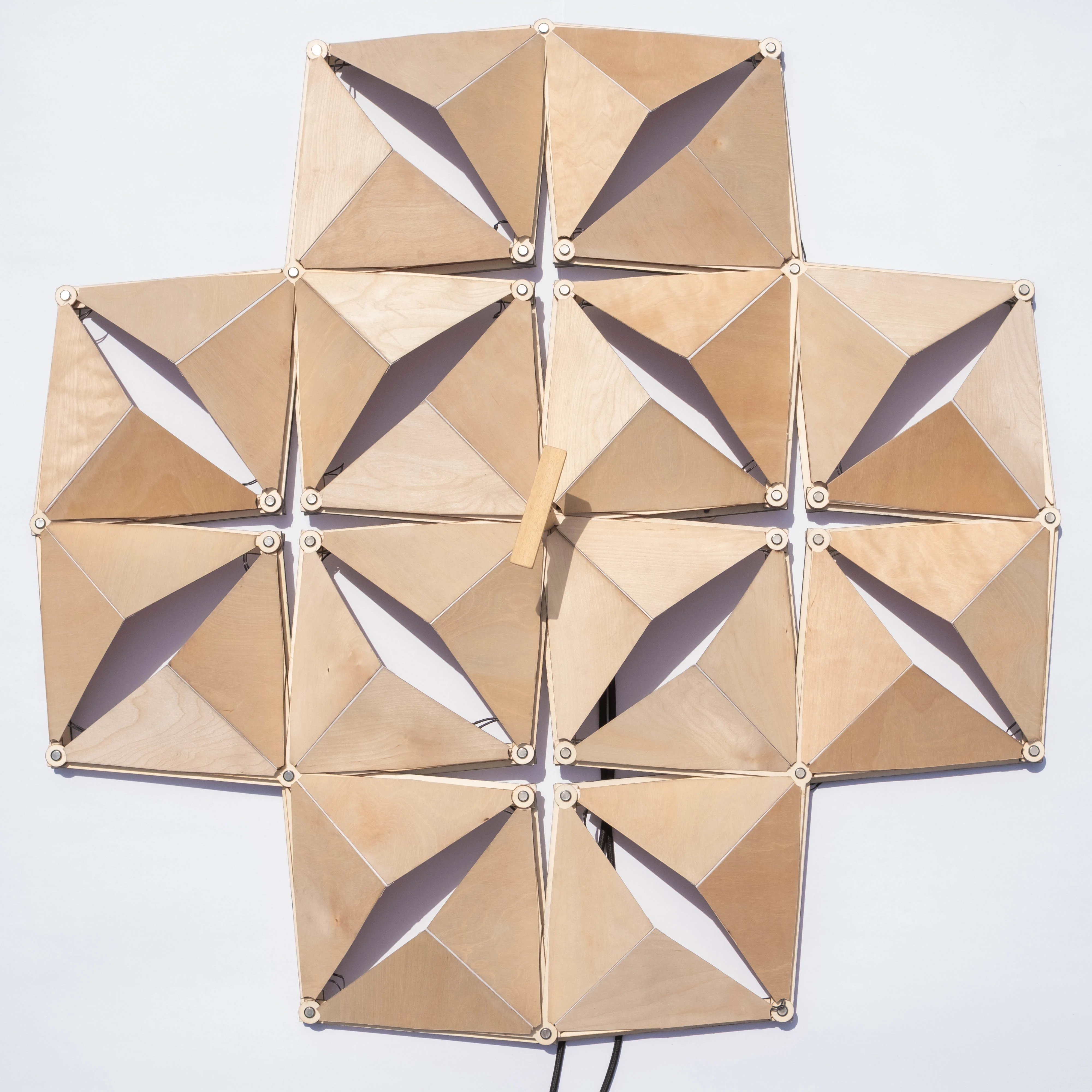
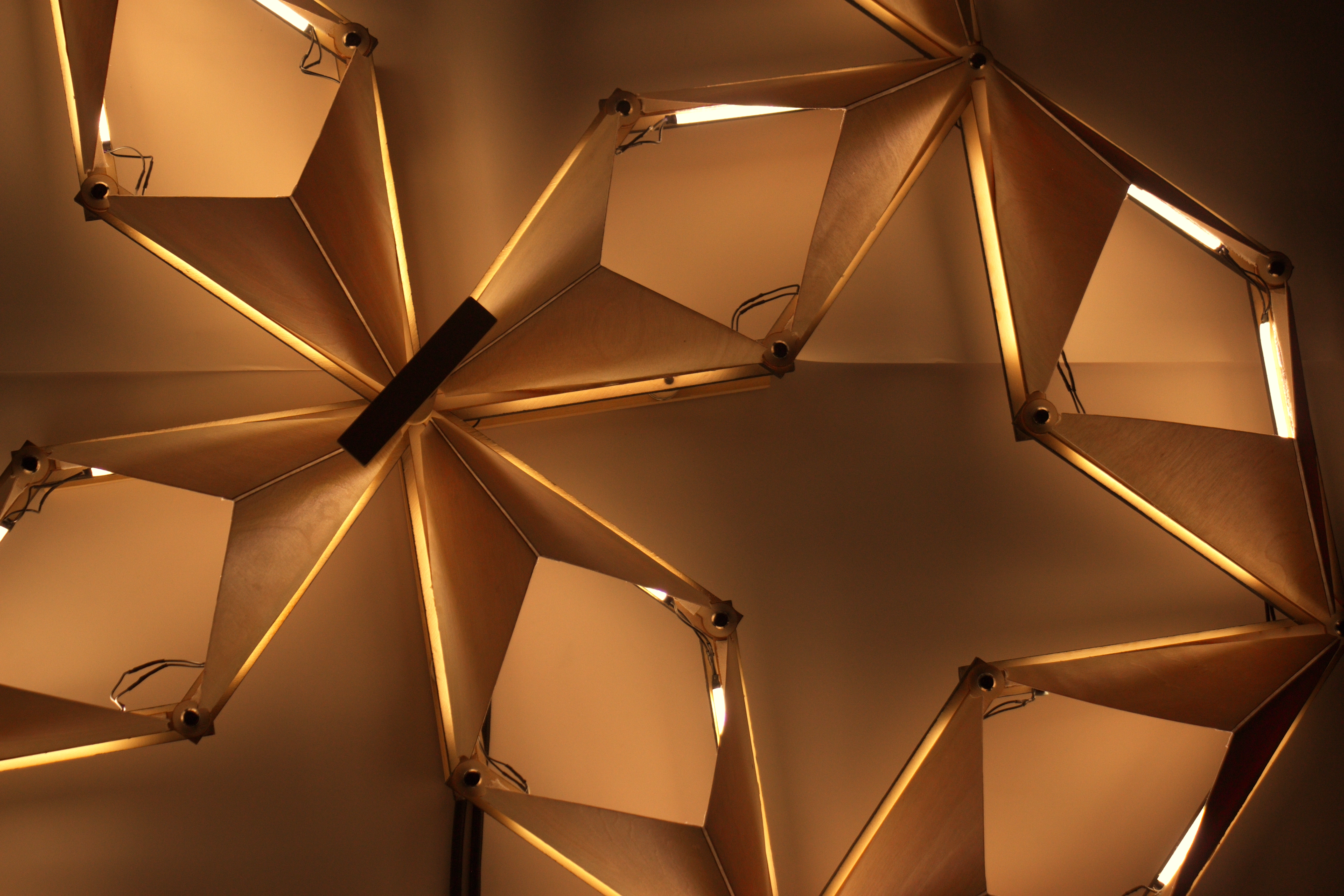
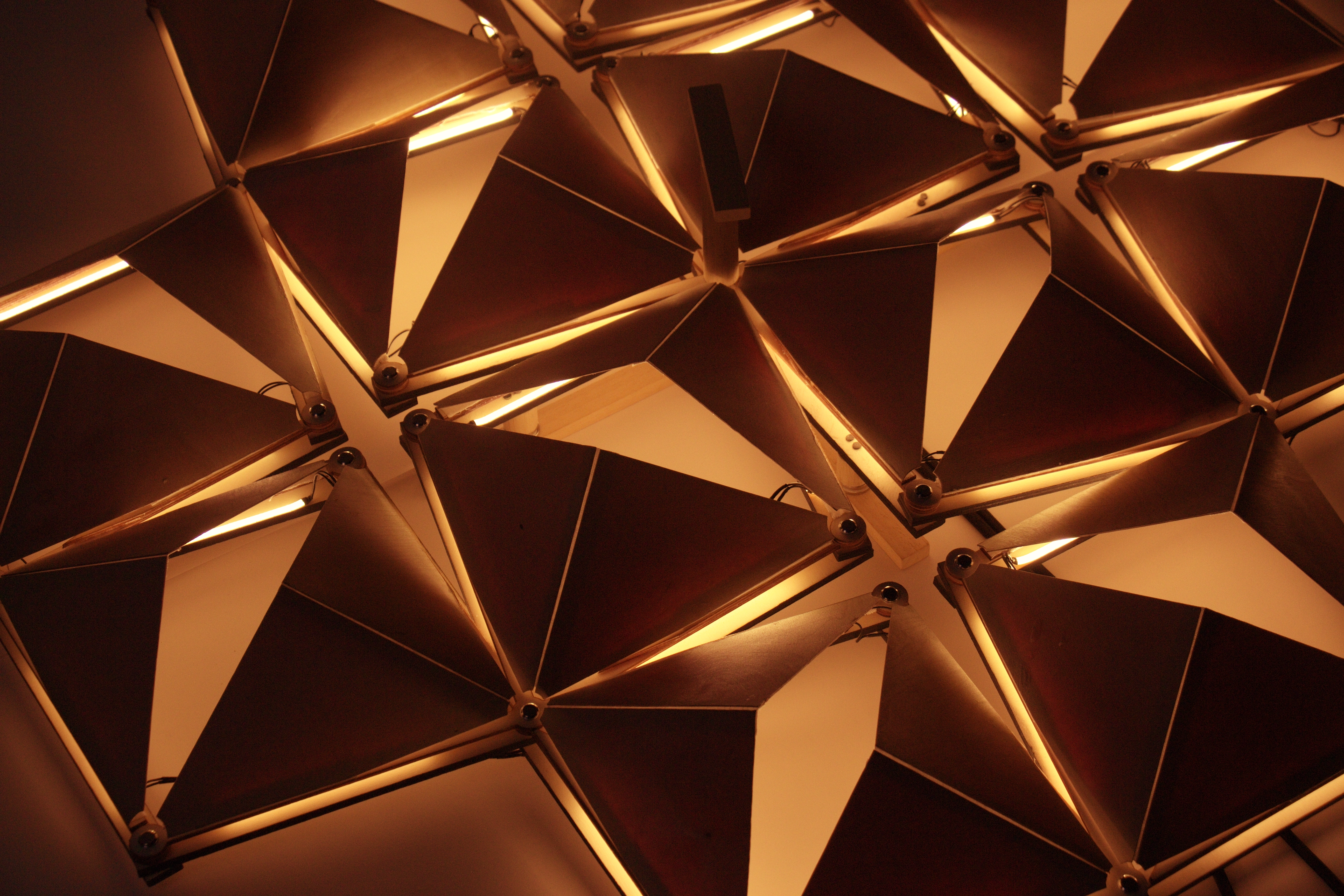
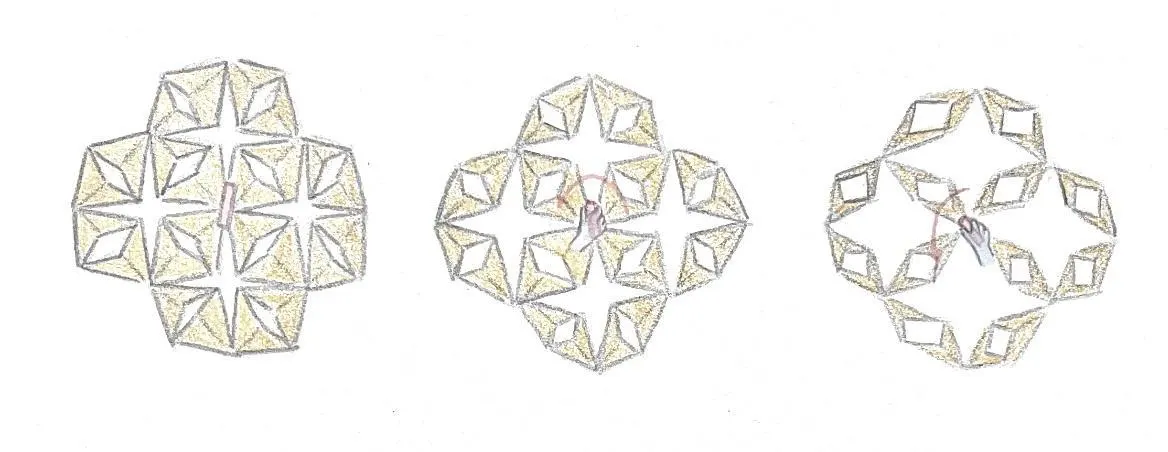
Dune stems from a research on wood to fully understand its potential in industrial design, evolving this traditionally static material into a new form of moving object, it is able to transform, changing its shape and light emission.
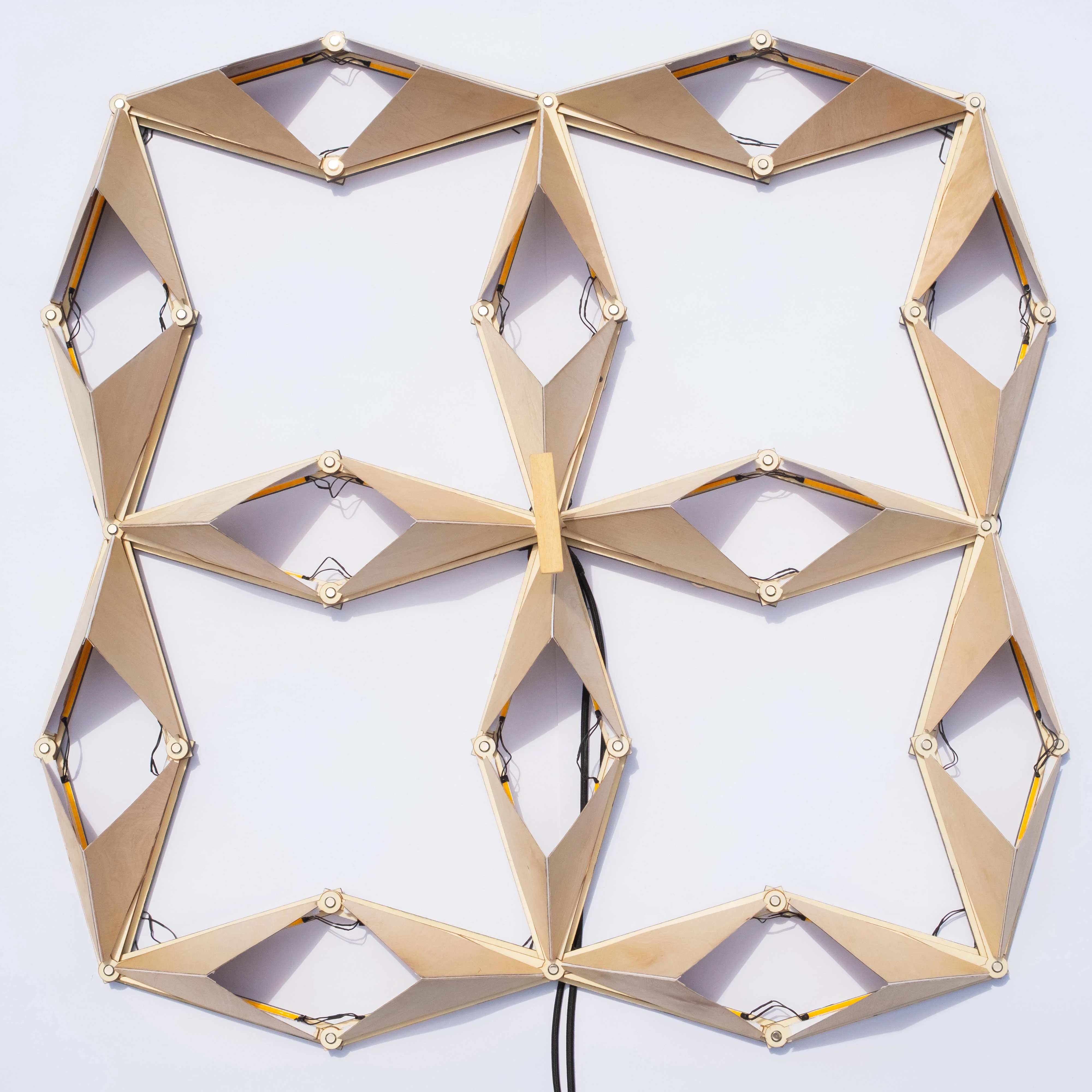
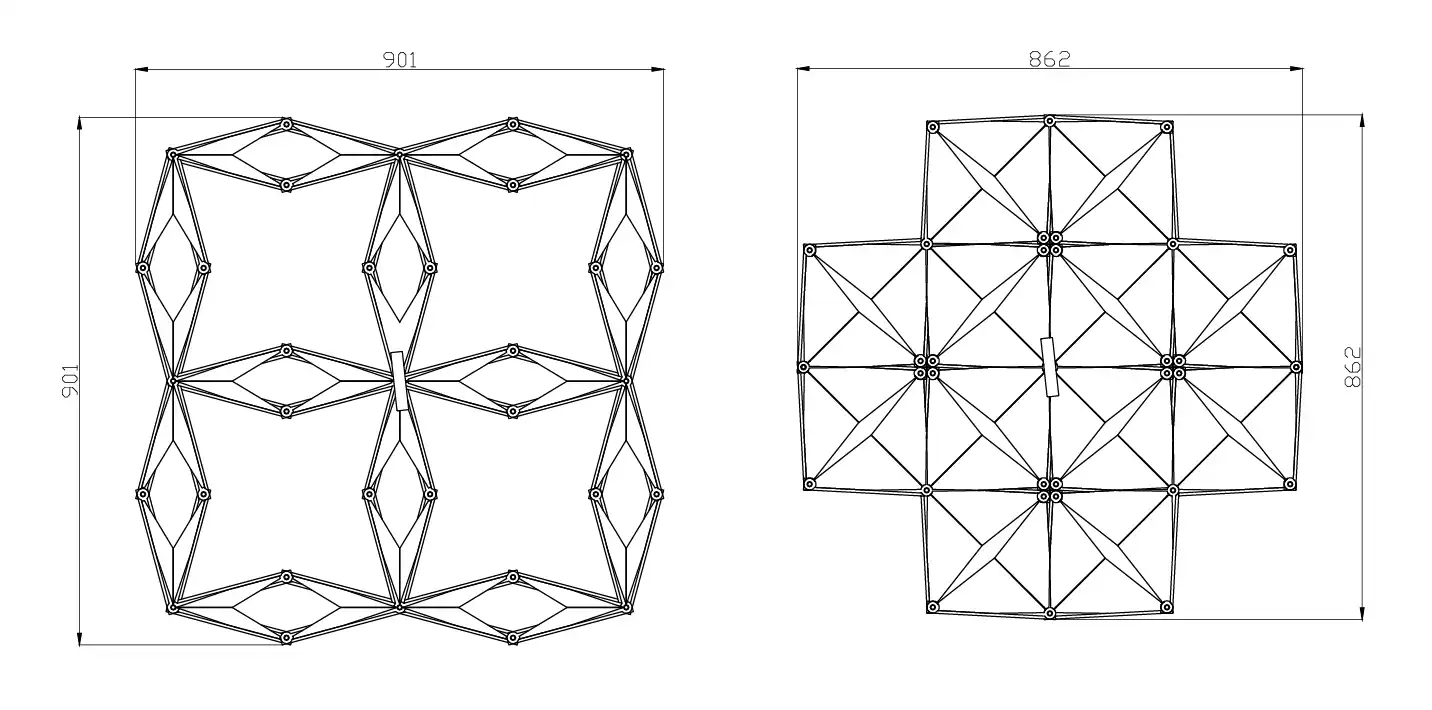
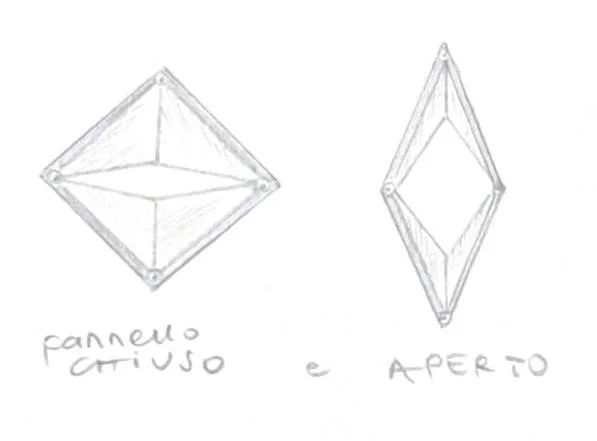
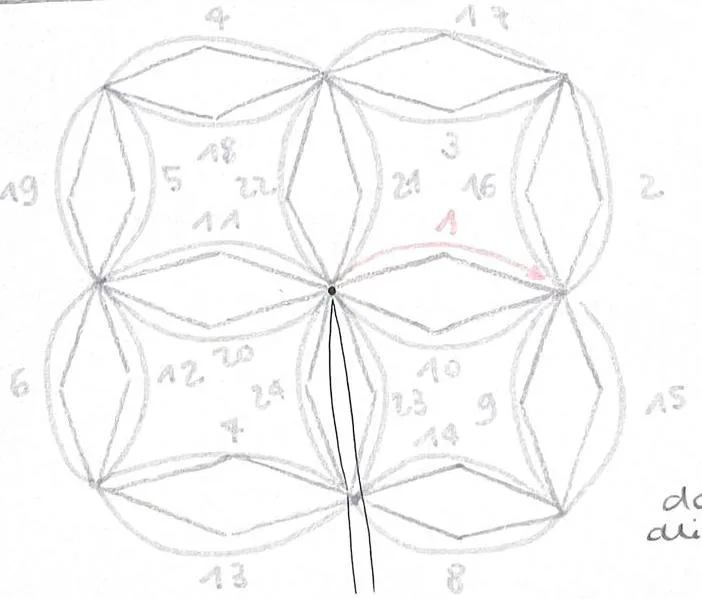
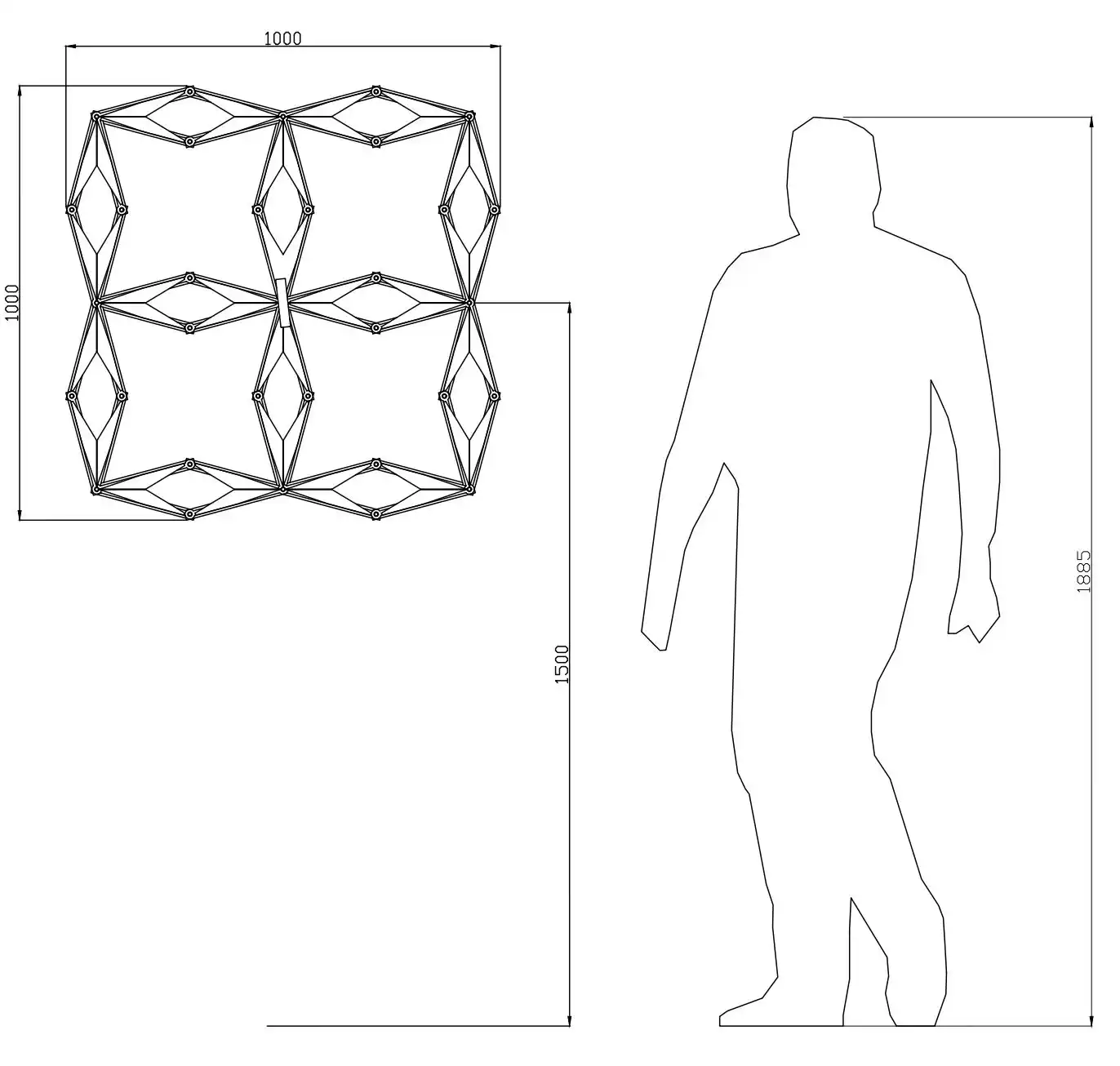
Rather than being a simple lamp, Dune takes a sculptural form with its size and ability to expand. The project uses the principle of the Hoberman mechanism. This led us, during the design phase, to create an opening and closing mechanism with a basic geometry of four squares that allowed us to have a greater choice in the final shape of the object.
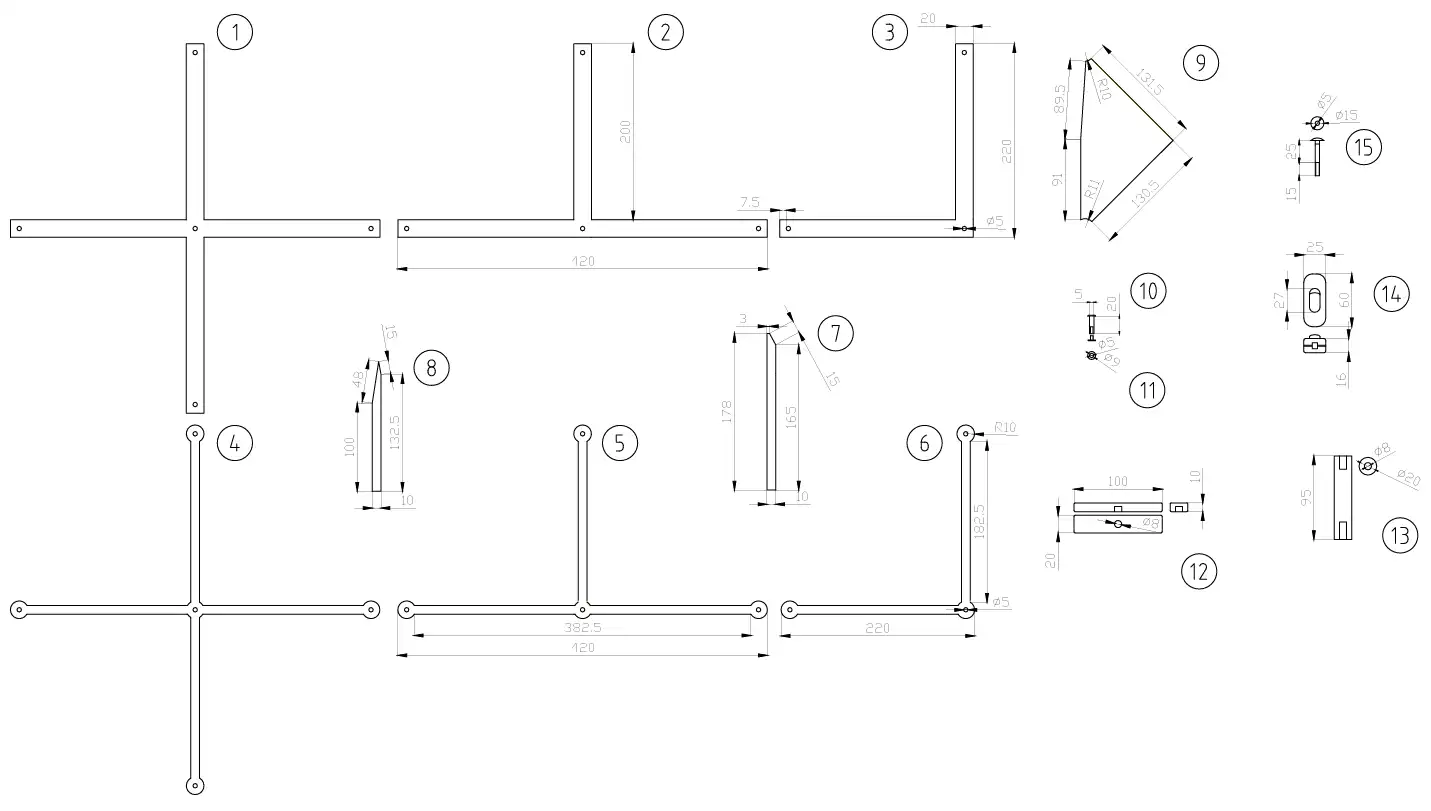
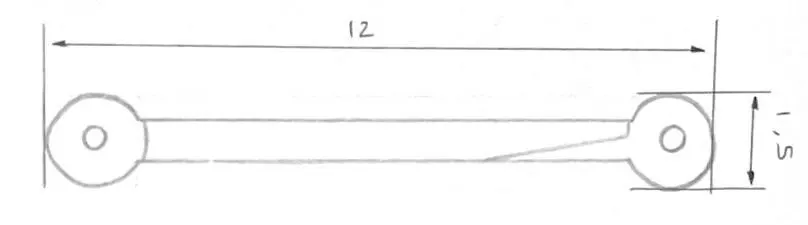
Given the complexity of the Hoberman mechanism, our challenge was to allow the lamp to open without the risk of it deforming and without requiring it to be opened from multiple points. Through the first prototype, we developed a solution based on the interaction of three specific shapes (X, L and T). In the second prototype we increased the scale four times and created the secondary structure that supports the panels, bringing them all onto the same plane.
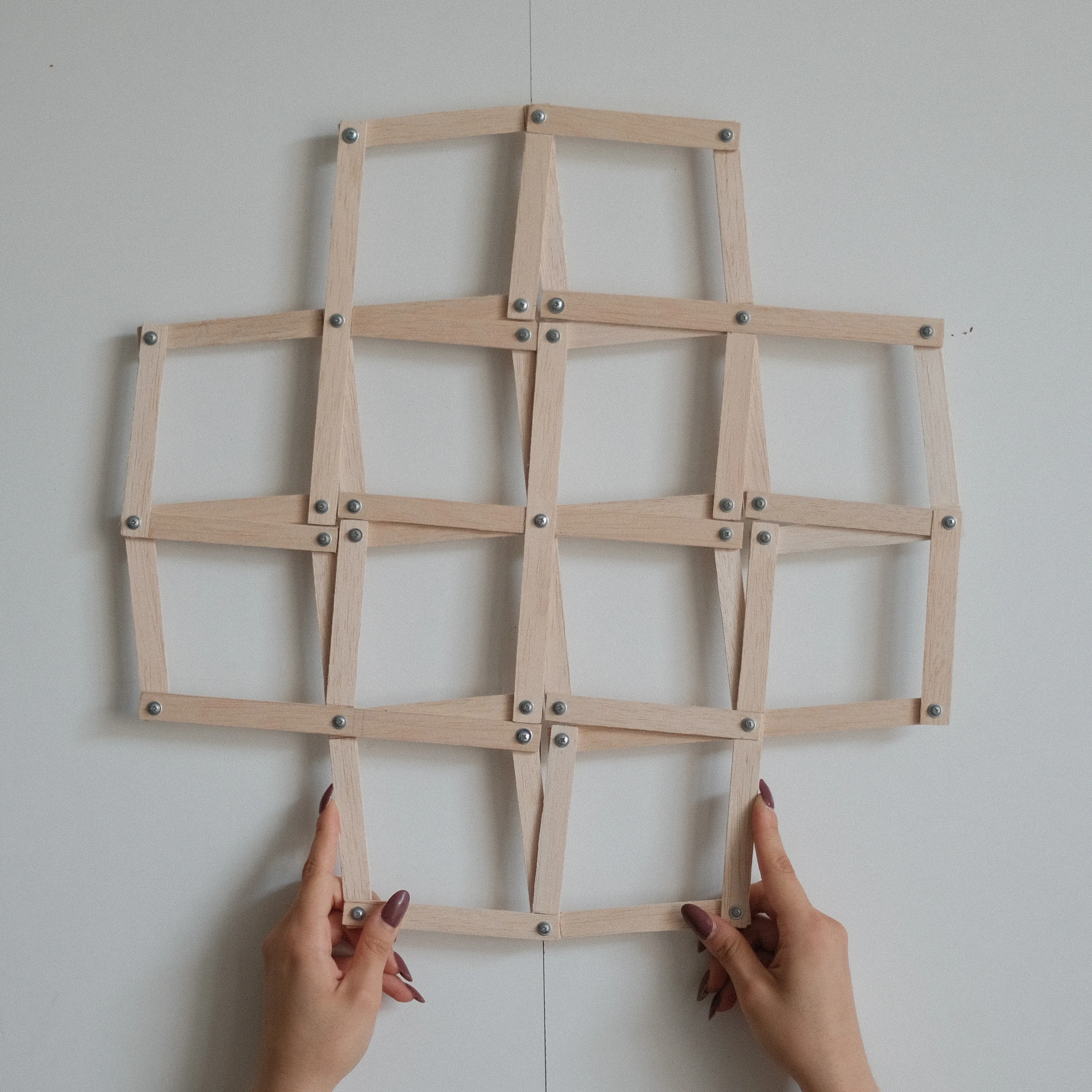
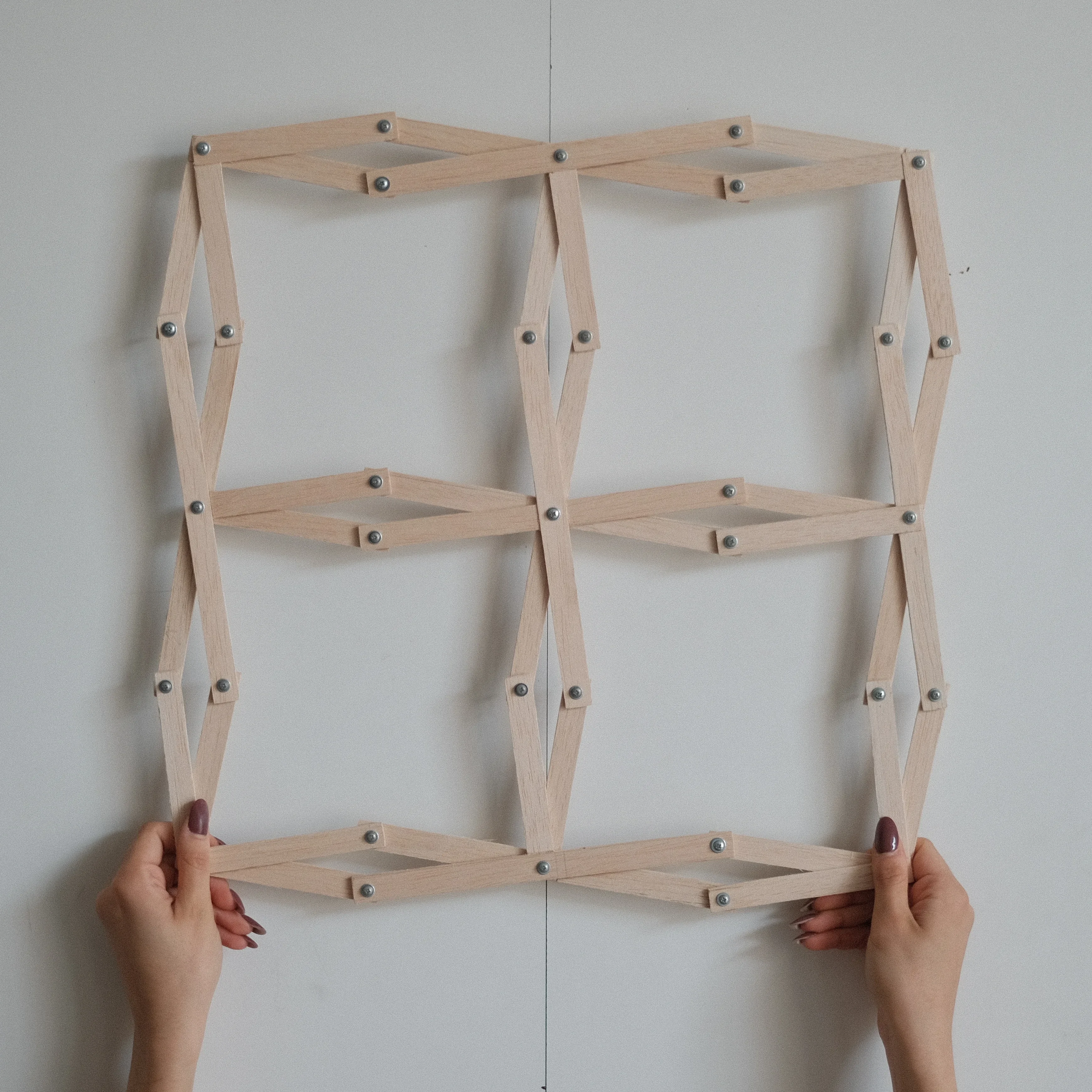
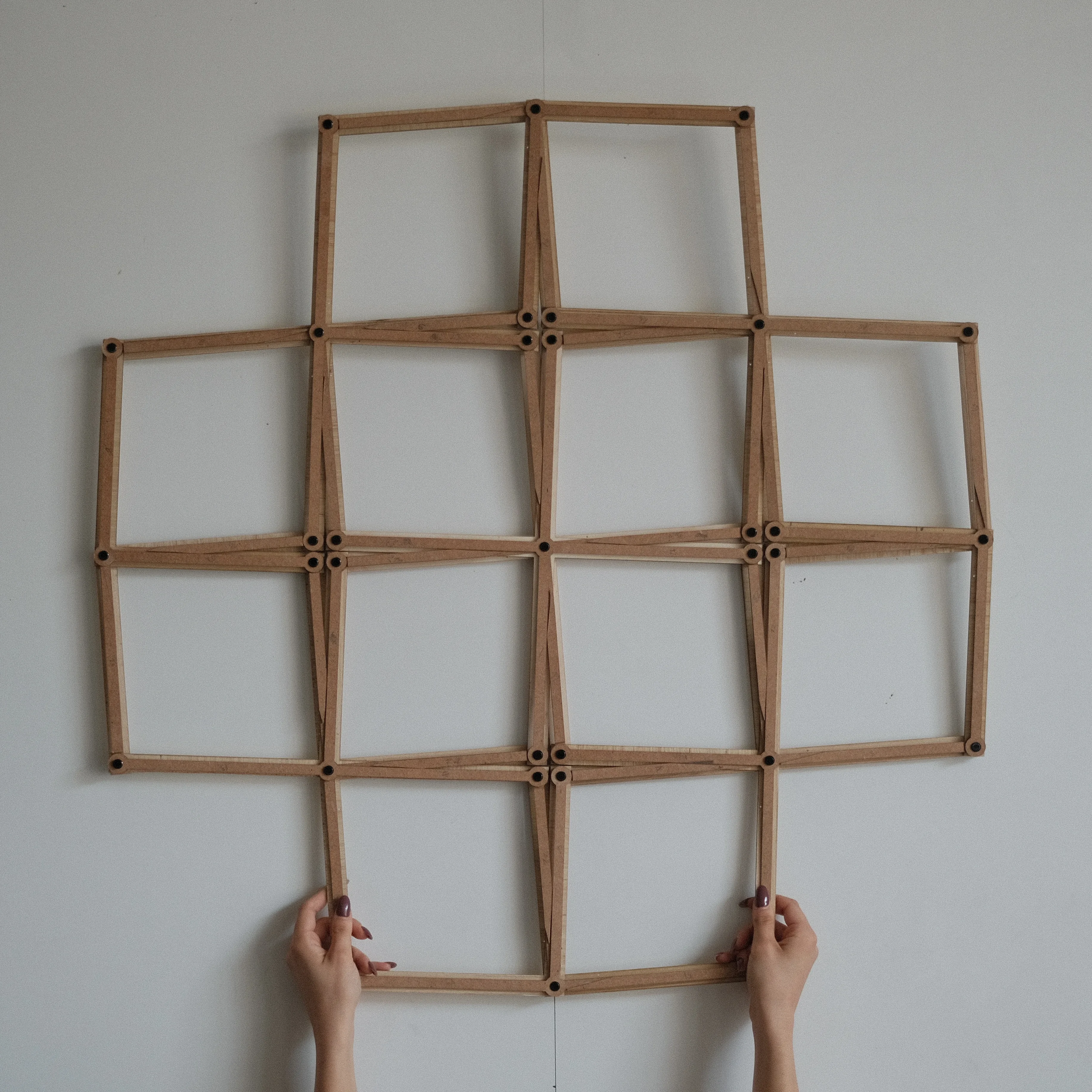
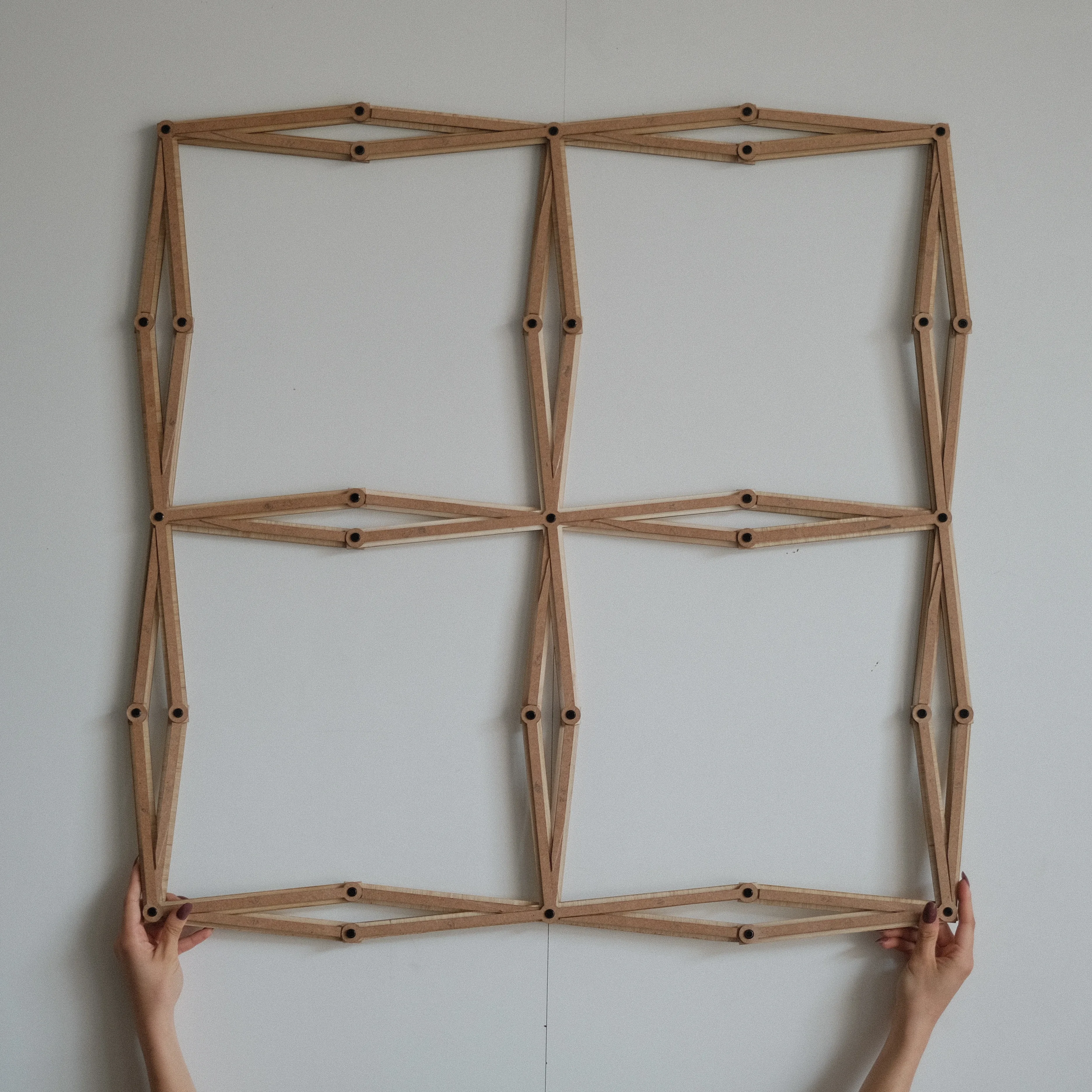
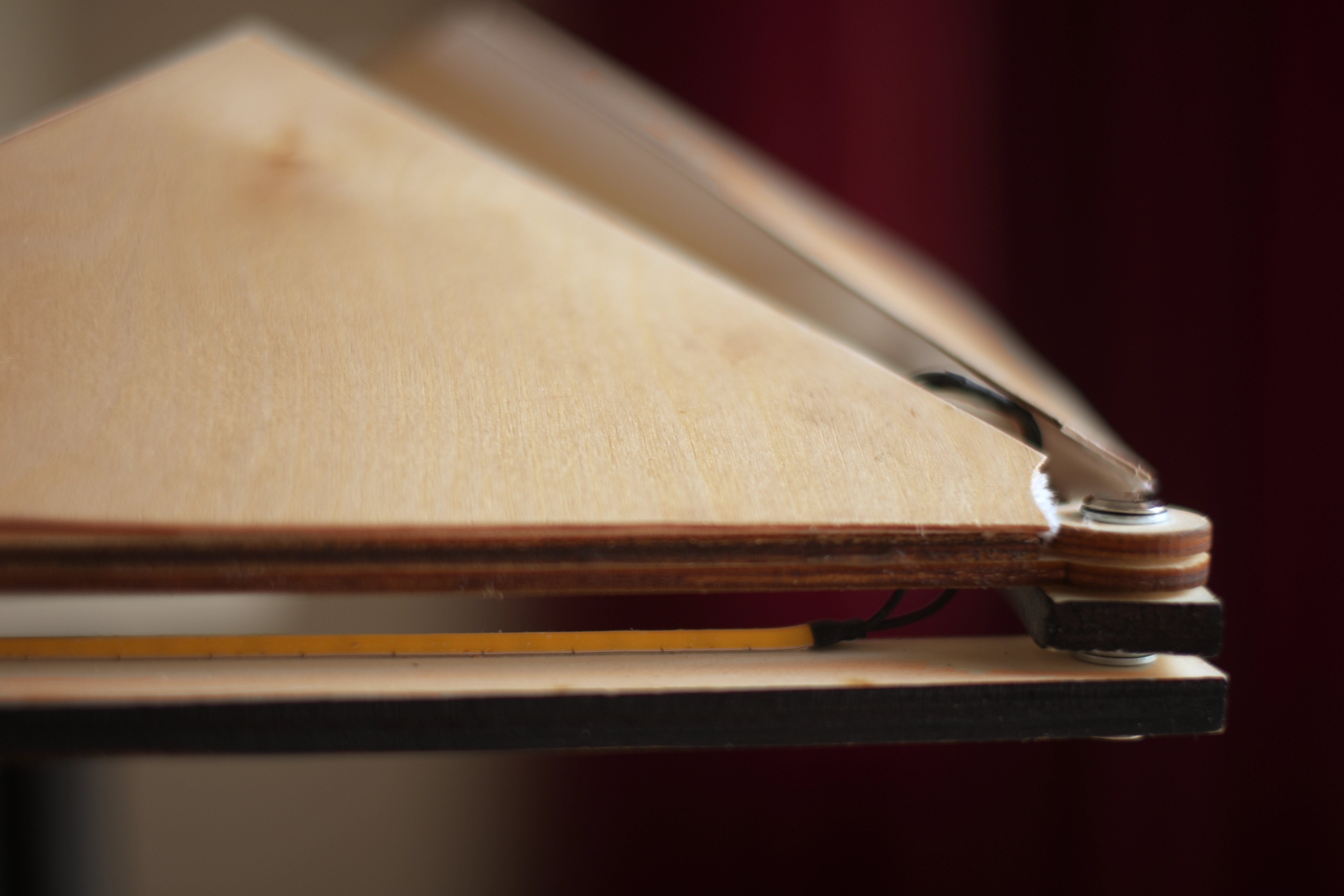
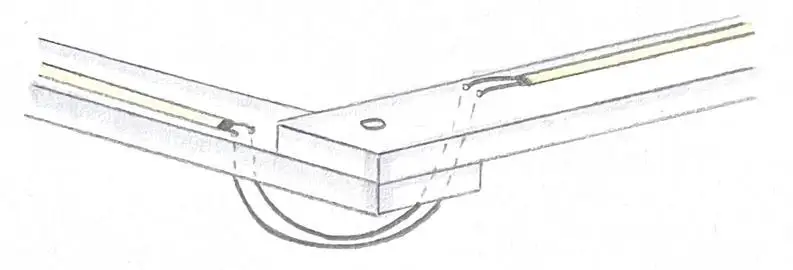
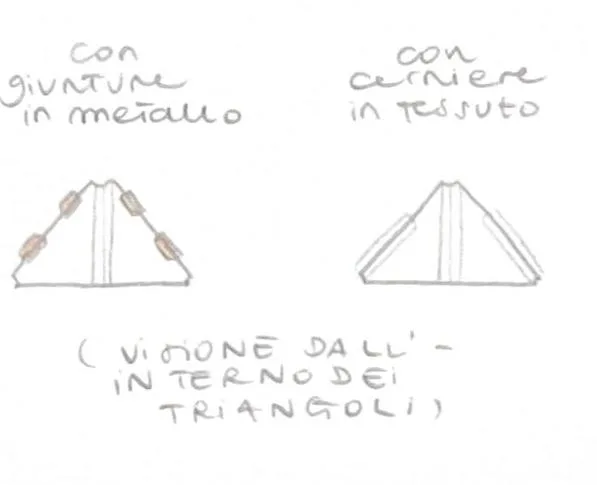
To insert the LEDs into the mechanism, we looked for a way to make them less intrusive but above all that would allow the lamp to open and close. Furthermore, to make it easier to connect to the power supply, we tried to create a single path that ran through the entire structure. The panel structure, which we made with birch plywood, is made of custom triangles that allow no obstructions during movement. We tested different methods for attaching to the structure, eventually opting to use fabric strips.
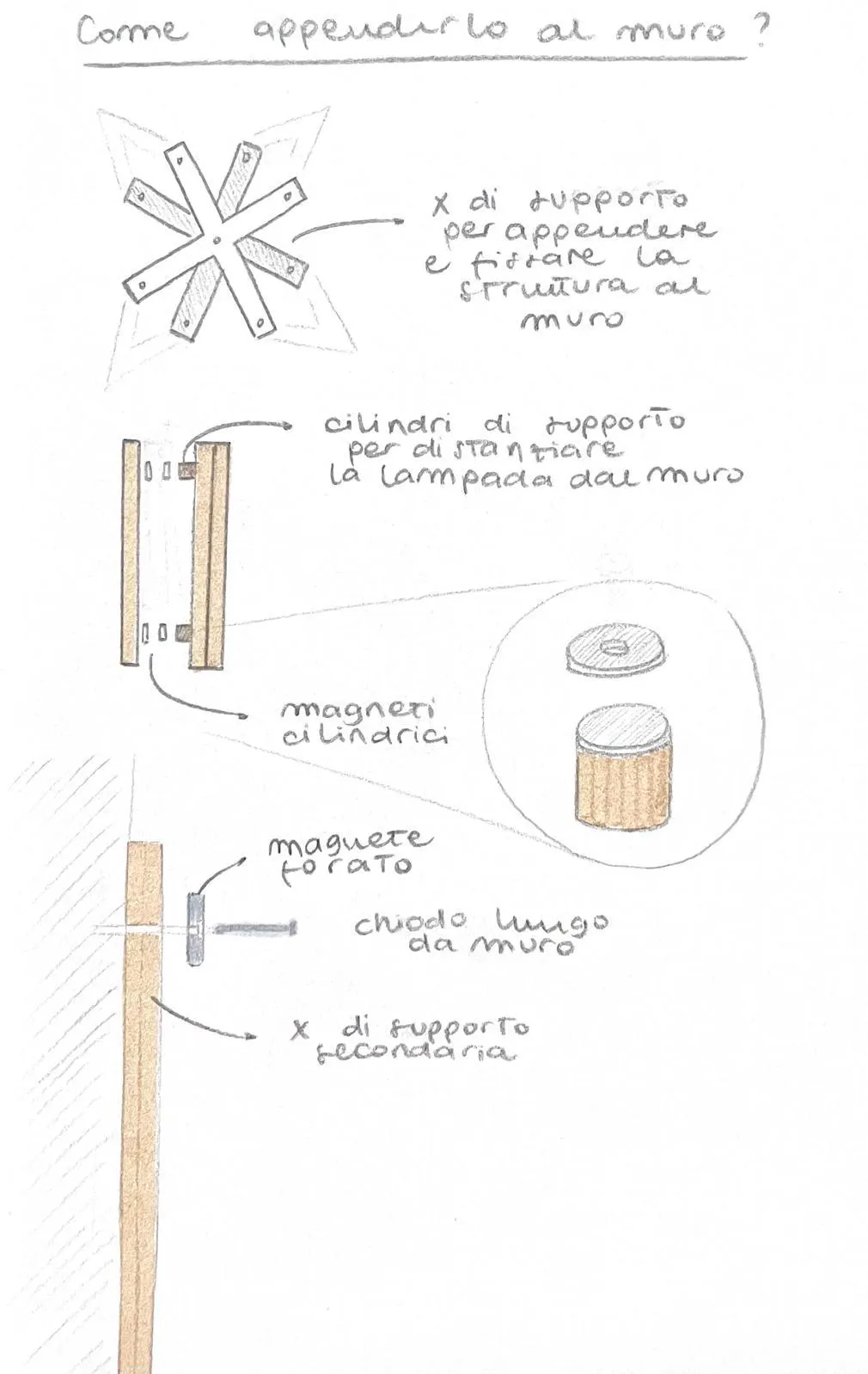
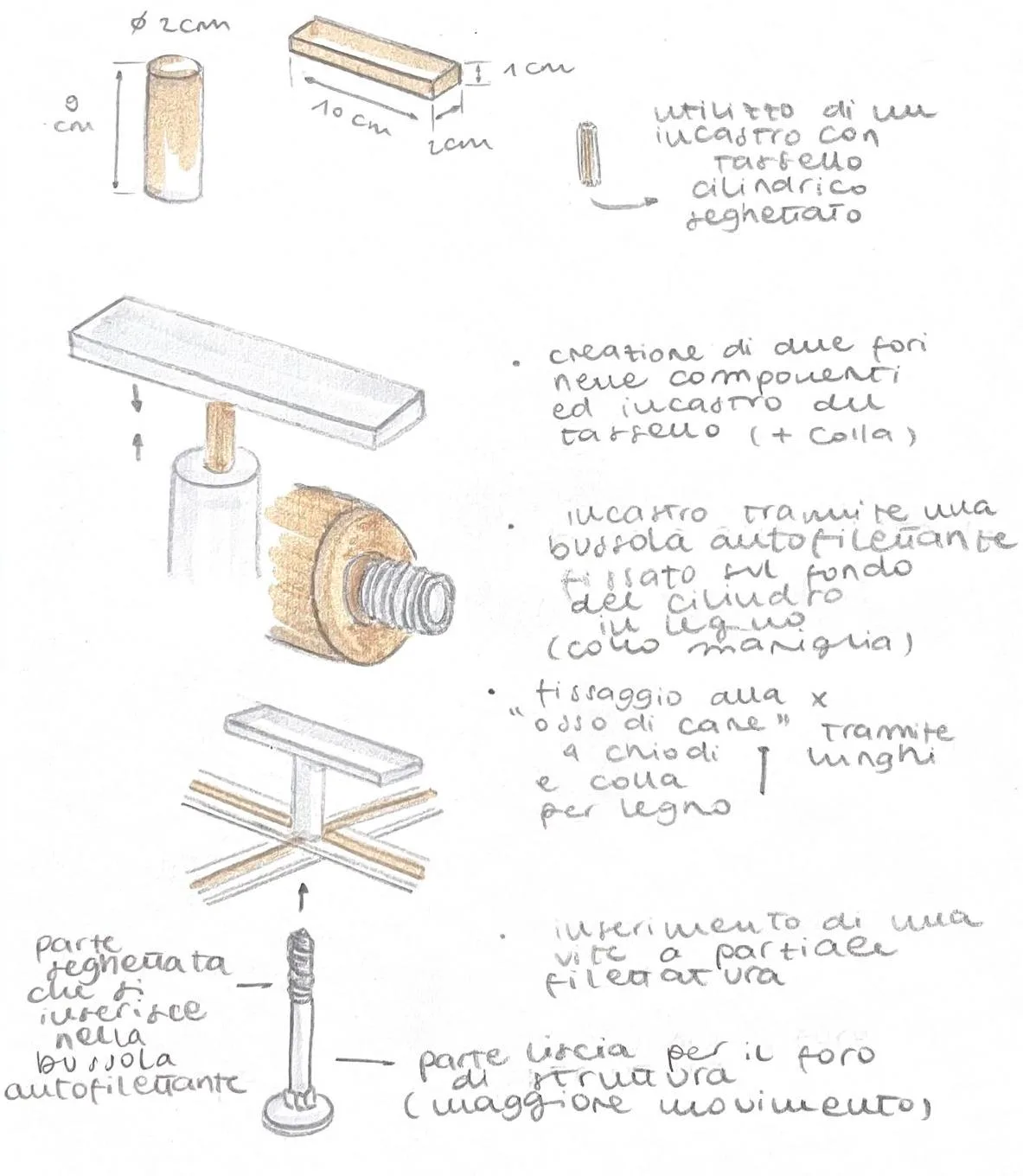
To support such a large and heavy wall lamp, we developed a fixing mechanism that would allow stability and freedom of movement. The support is an "X" shaped support structure, in which we integrated four perforated magnets. This design is intended to simplify wall mounting with a hook or 2 simple screws.
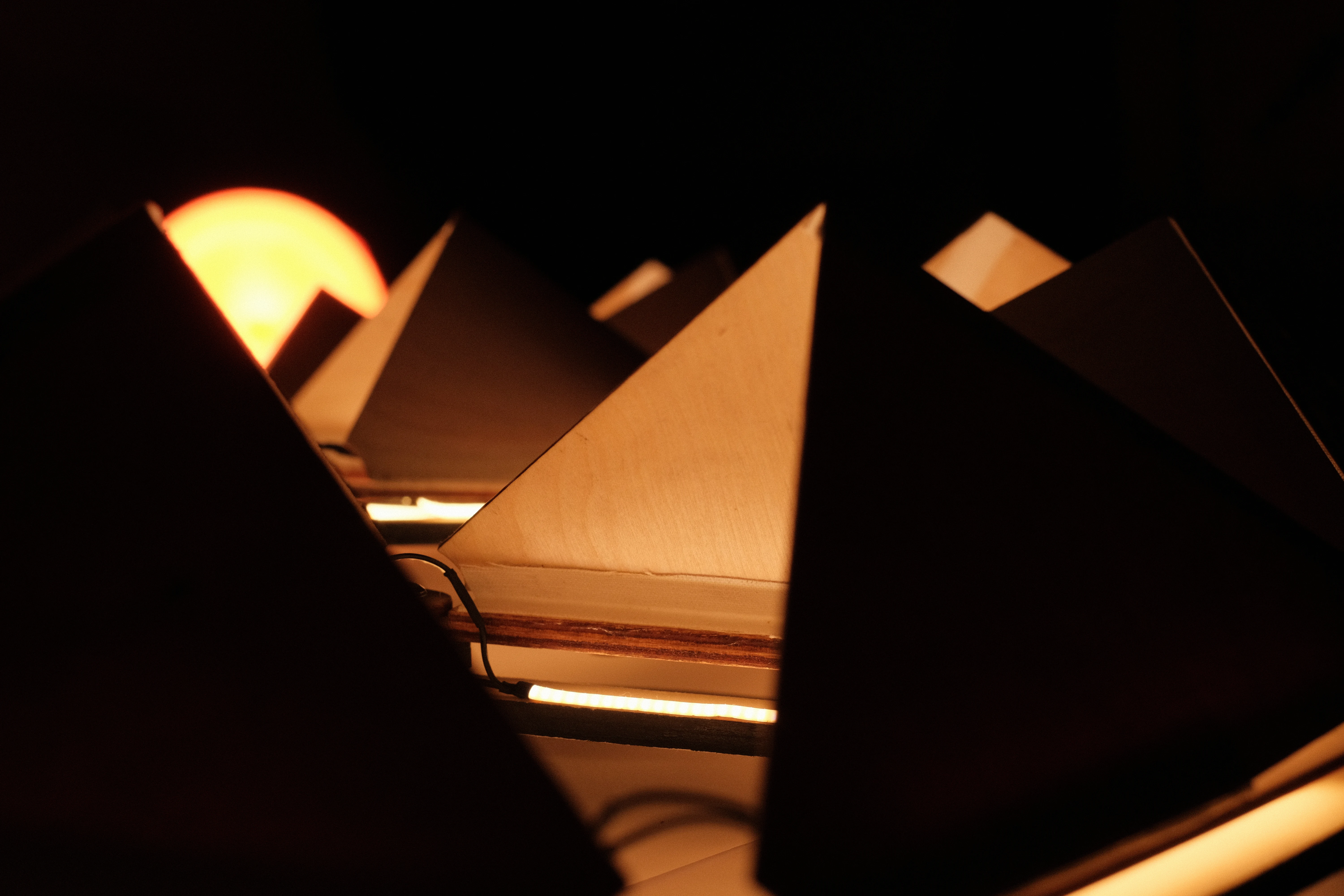
Additional shots and details